If you’re in the early stages of thinking about a renovation, one question tends to come up before almost anything else: is this actually worth it?
It’s a fair question, and it usually comes from a good place. You want to invest in your home without over-investing in it. You want to know that the money you put into a kitchen or an addition is money you’ll get something back on, whether that’s at resale or every single morning for the next fifteen years.
The honest answer is that the renovations that add value are usually the ones that fix something the home genuinely gets wrong. Not the trendiest project, and not always the biggest one. Here’s how we’d suggest thinking about it.
First, Get Clear on Which Kind of Value You Mean
“Value” means two different things, and they don’t always point in the same direction.
There’s resale value, which is what a future buyer will pay for the work you’ve done. And there’s the value you get from living in the house: the mornings that go smoother because the kitchen finally works, the fact that your family actually uses the room that used to be dead space.
Most of the homeowners we work with are not renovating to sell. They’re renovating because they love their neighborhood and want the house to catch up to how they live. That’s worth naming early, because it changes which projects make sense. If you’re selling in eighteen months, the calculus is different from a family planning to stay another twenty years.
The good news is that these two kinds of value overlap more often than people expect. Work that makes a home genuinely function better is usually the same work a buyer recognizes and pays for later.
Kitchens Carry the Most Weight
If there’s one renovation that reliably adds value in both senses, it’s the kitchen. It’s the room people gather in, the room buyers judge a house by, and the room most likely to be the reason a home stops working for a family in the first place.
What matters is less about finishes and more about function. Is there room to cook without colliding with someone? Can you see into the space where your kids are? Is there enough storage that the counters stay clear? Those are the things that make a kitchen feel valuable years after the tile stops being new.
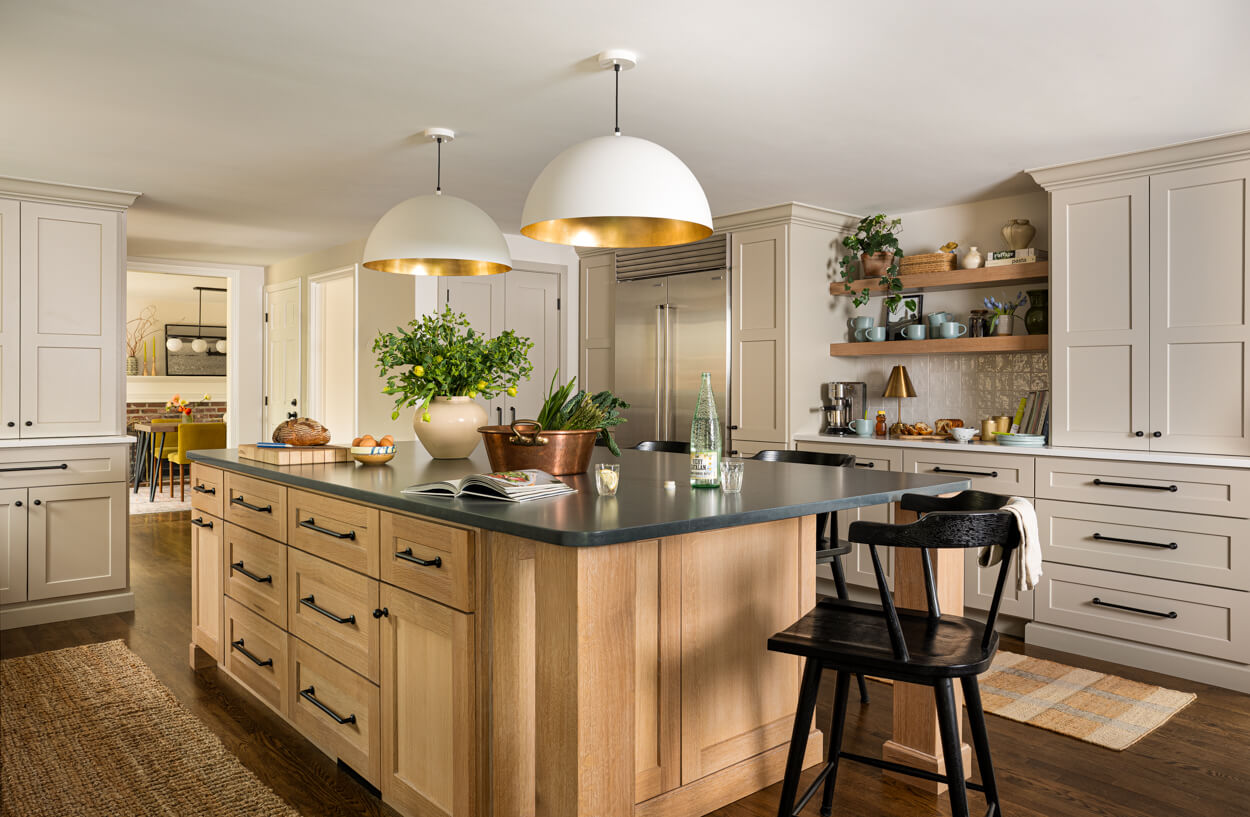
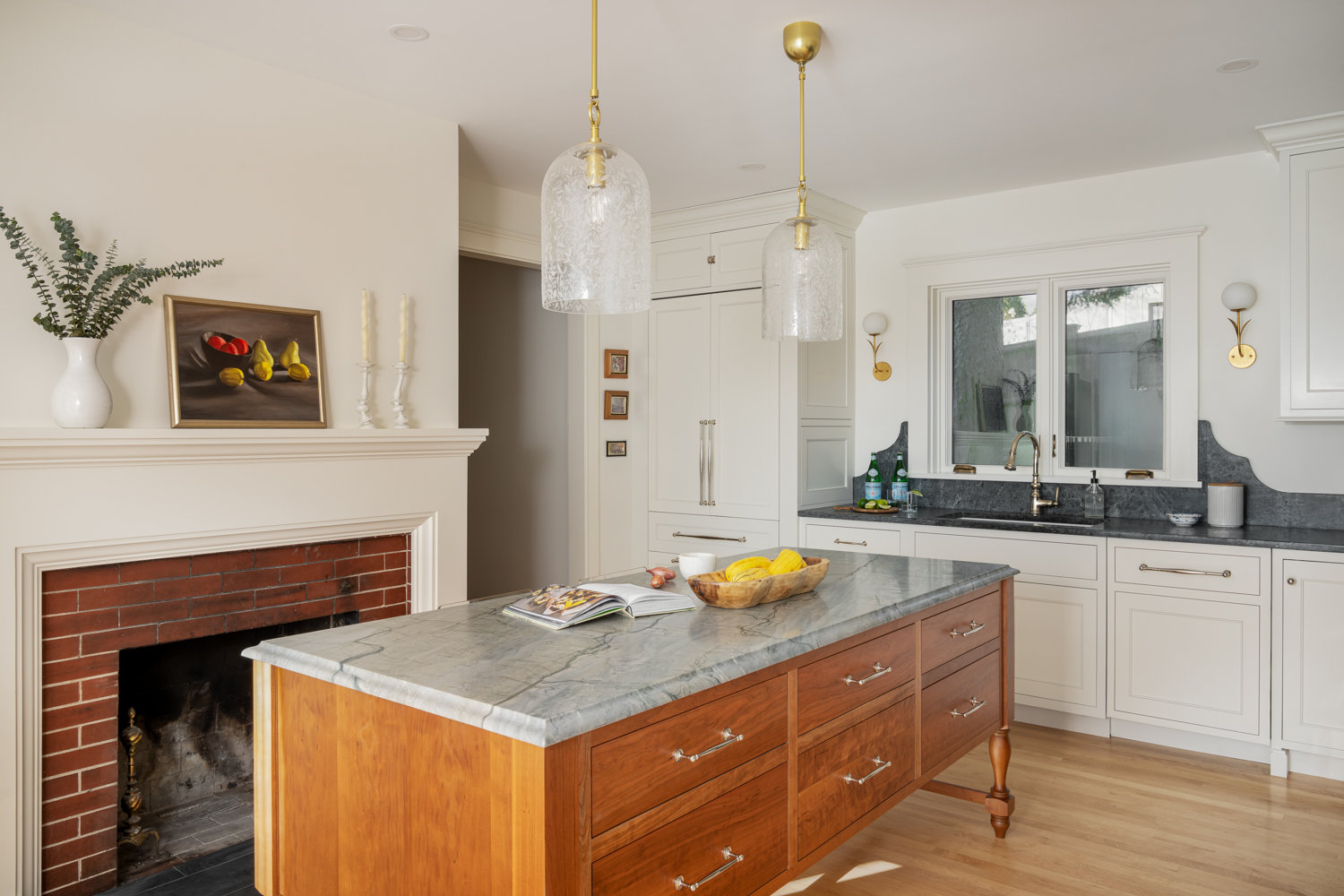
In our Rift + Wave renovation in Beverly, the first floor was dark and chopped up. Reworking the kitchen into an open U-shape with an oversized island changed how the whole floor functioned, not just the kitchen. In Soapstone + Sage in Swampscott, an 1860 Victorian got a new kitchen layout and an added opening to the dining room, so the space could work as a true gathering place.
For a sense of what kitchen work involves financially, our post on what a home renovation really costs in Massachusetts walks through typical ranges.
Layout Changes Often Deliver the Most Per Dollar
This is the one homeowners underestimate. Removing the right wall, adding the right window, or moving a doorway can change how a house feels more than a full set of new finishes will.
A lot of homes on the North Shore were designed for a way of living that no longer matches how families actually spend their days. Kitchens closed off from everything. Formal dining rooms nobody eats in. A back entry with nowhere to put anything.
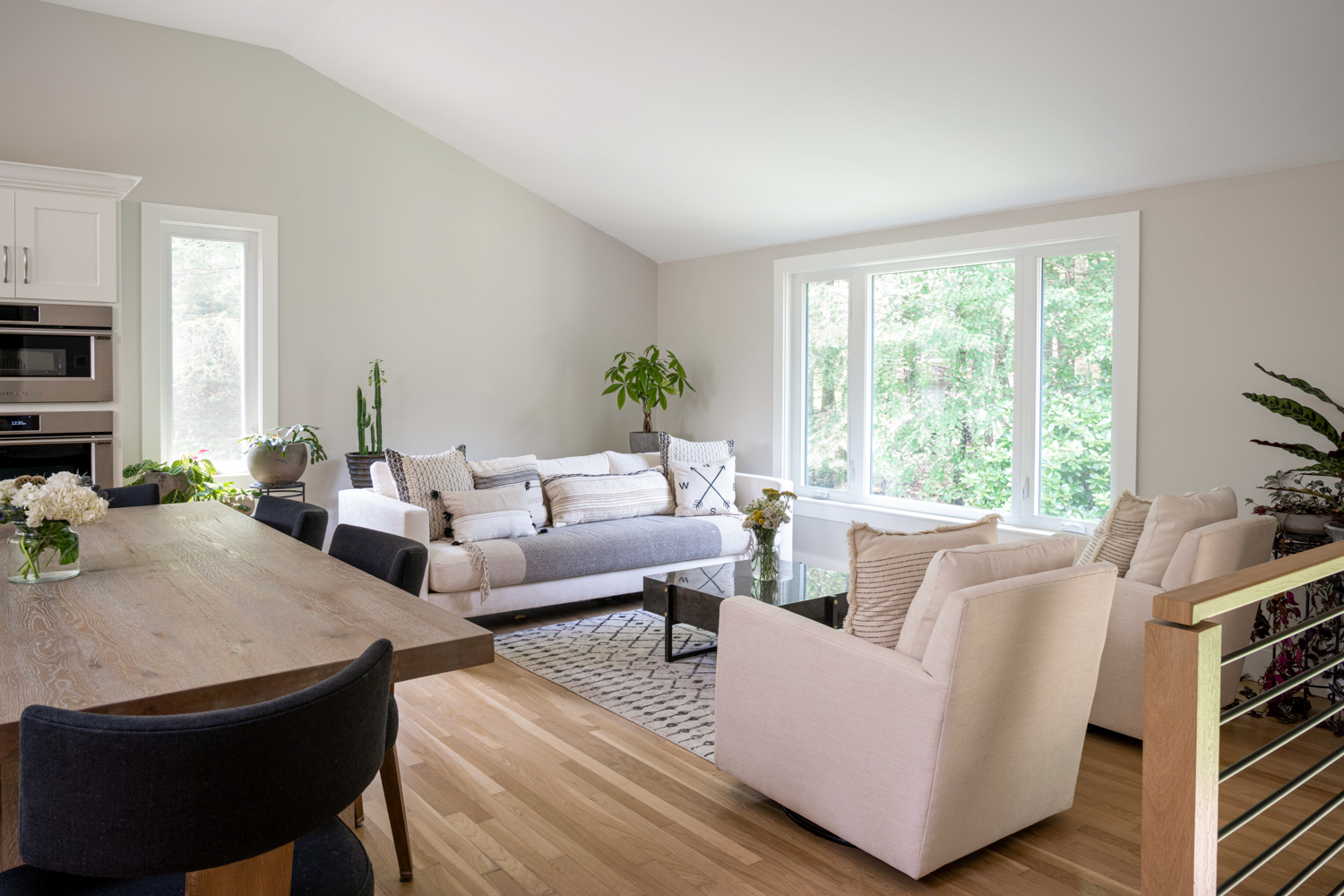
In Charcoal + Portmore, taking down a load-bearing wall merged two separate rooms into one connected living space, with new windows bringing in light the house never had. That kind of change is what buyers respond to and what homeowners notice every day.
Primary Suites and Bathrooms
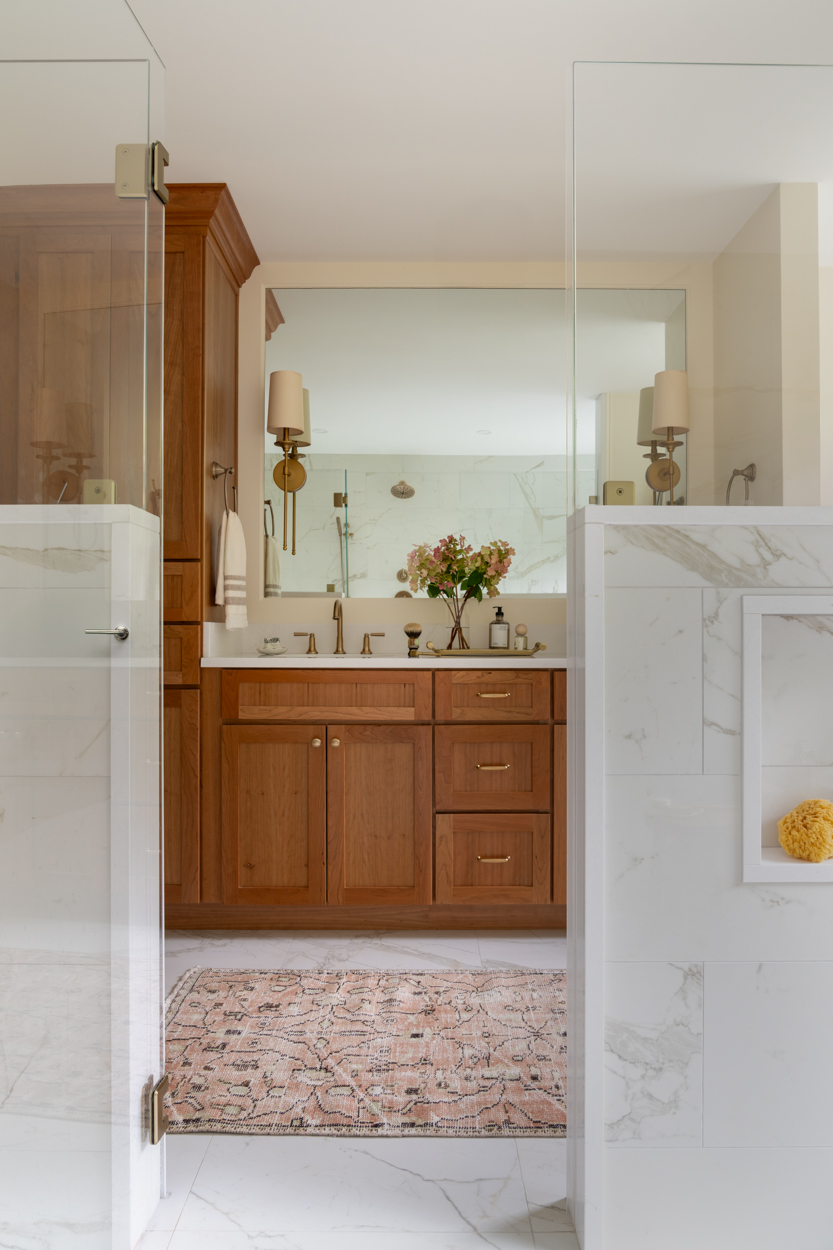
A dated primary bath is one of the first things a buyer notices, and one of the first things a homeowner gets tired of. Renovating a primary suite tends to hold value well, particularly when it solves a real problem: no storage, a closed-off layout, a bathroom shared by too many people.
In our Heartbreak whole home renovation in Ipswich, the primary bath became a spa-like retreat with a wet room, as part of a broader project that reworked how three levels of the house functioned.
Making Unused Space Usable
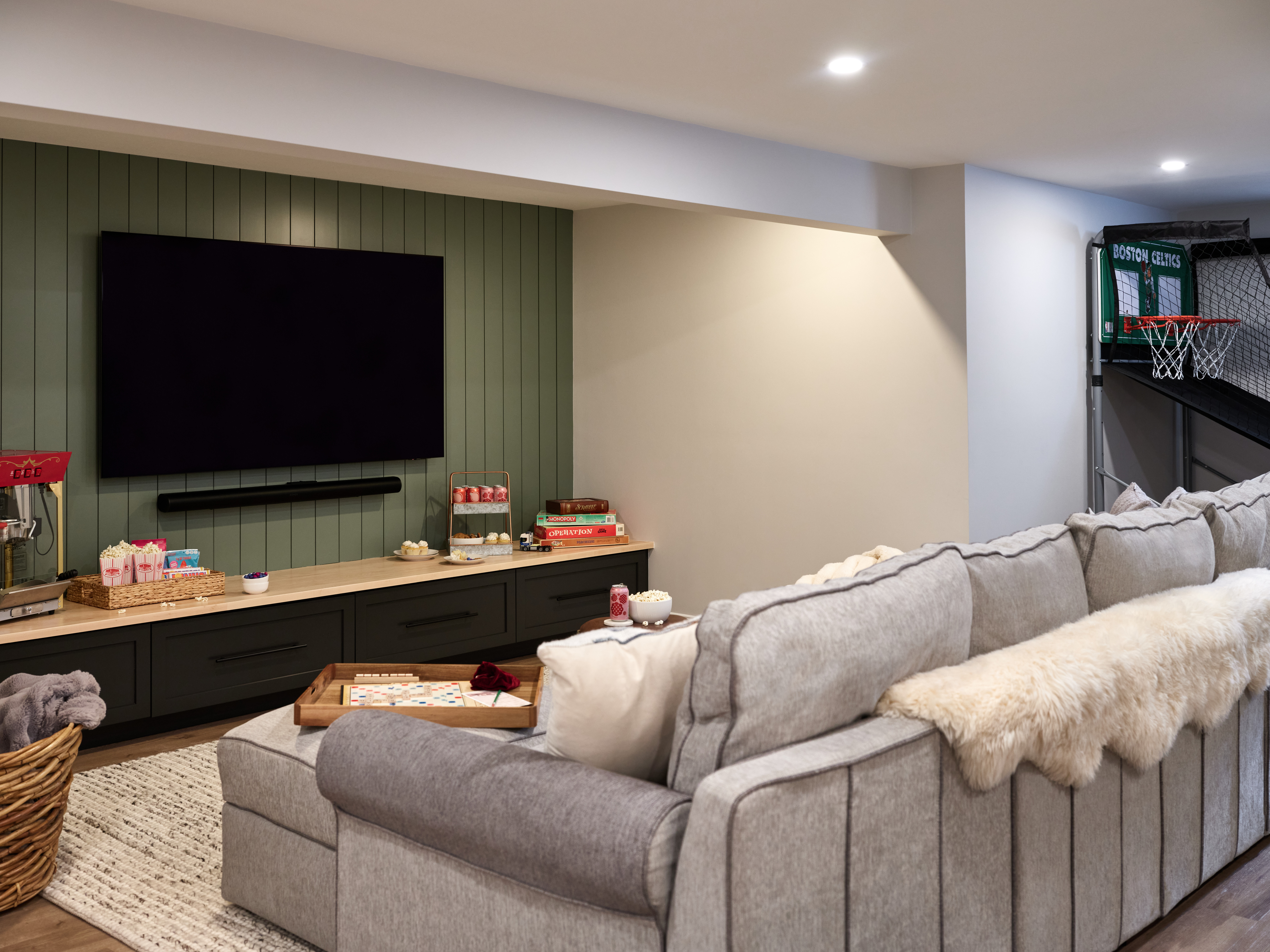
Finishing space you already own is one of the more efficient ways to add value, because you’re not paying for a foundation or a roof. Basements, attics, and bonus rooms all fall into this category.
The key is that the finished space needs a real purpose. A generically finished basement adds less than one designed around how the family lives. In our Beverly basement remodel, the space became a gym, a sauna and wellness area, a game room, and a full bath, with storage built in throughout. It functions like a whole additional floor of the house.
Additions and ADUs
When a home has good bones but genuinely not enough square footage, an addition can be the right answer. So can an accessory dwelling unit, which has become a much more common conversation in Massachusetts as families look for ways to house aging parents, adult children, or a rental unit on their own property.
Our Hickory Lane ADU in Ipswich added roughly 900 square feet over an existing garage: a one-bedroom unit with a full kitchen, vaulted ceilings, and a deck, built for a retiring couple who wanted to live close to family. If that’s a direction you’re exploring, our ADU page covers what’s involved.
The Unglamorous Work That Protects Value
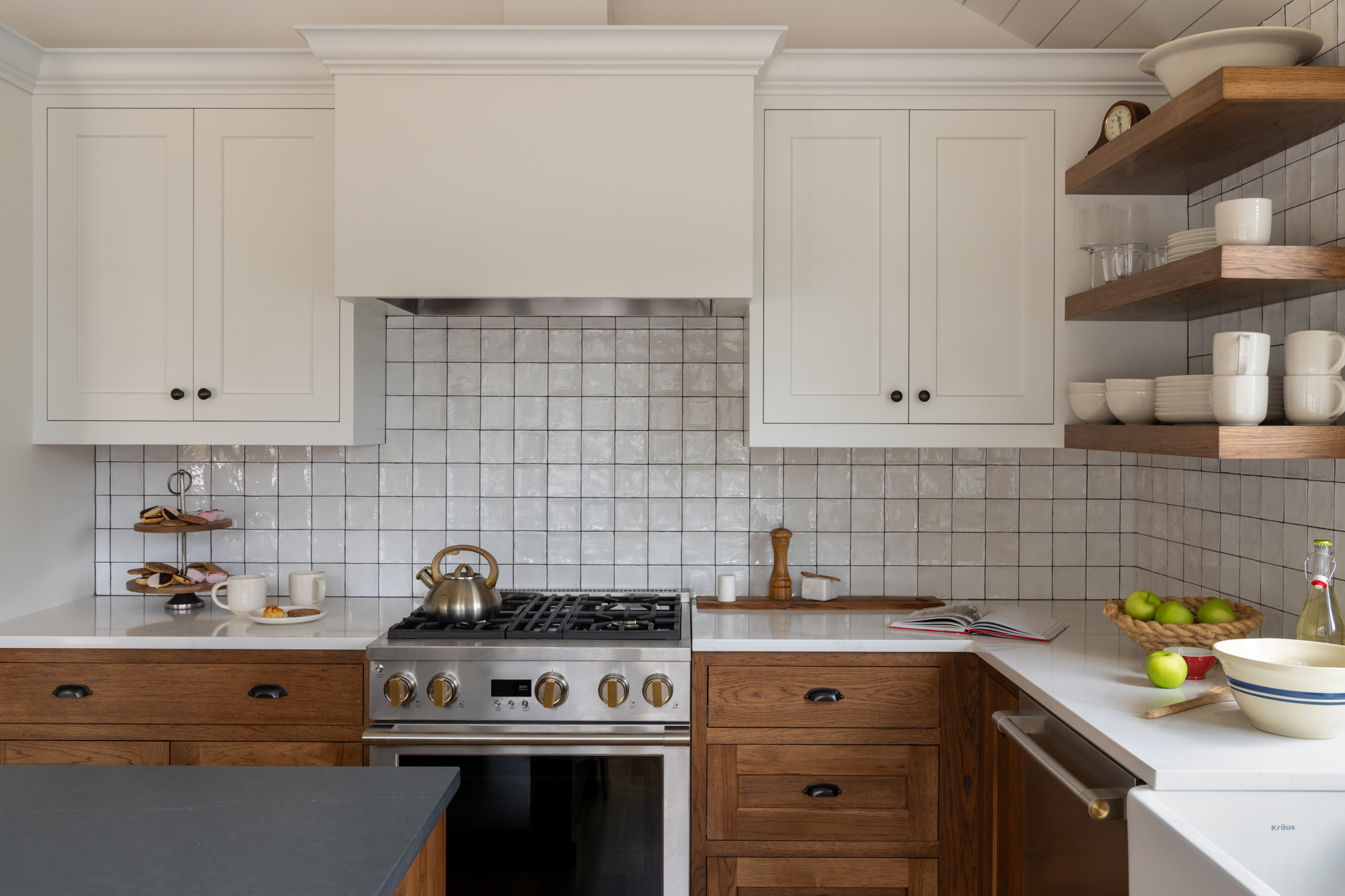
Not every dollar that adds value shows up in photos. Structural corrections, foundation work, insulation, electrical and plumbing updates, windows, and drainage all protect the value of everything else you do.
We see this constantly in older North Shore homes. You open a wall for a kitchen and find there’s a real reason the floor slopes. Addressing it isn’t optional, and skipping it means the beautiful new kitchen sits on top of an unresolved problem. Buyers, and home inspectors, notice.
Think of this work as the floor underneath your investment rather than a competing use of the budget.
What Tends Not to Hold Value
A few patterns are worth knowing about before you commit:
Over-improving for the neighborhood. There’s a ceiling on what any given street will support. It doesn’t mean don’t do the work, but it should be a conscious choice made for how you’ll live, not an expected return.
Highly personalized specialty spaces. They can be wonderful. Just don’t count on the next buyer valuing them the way you do.
Piecemeal work done out of order. Renovating a kitchen and then deciding two years later to open the wall next to it usually costs more than doing both at once, and can mean redoing work you already paid for.
Cosmetic updates layered over unresolved problems. New finishes on top of old systems tend to be the most expensive kind of shortcut.
How to Figure Out What’s Right for Your Home
The most useful question isn’t “which renovations add value?” in the abstract. It’s “what is this house getting wrong, and what would it cost to fix it?”
That’s the conversation we start with. Sometimes the answer is a kitchen. Sometimes it’s a layout change nobody was expecting. Sometimes it’s that the house is fine and the real issue is storage. A design-build process is useful here because design and construction thinking happen together, so you find out early what a given idea will actually cost rather than falling in love with a plan that doesn’t fit the budget.
If you’re still weighing whether to invest in this house at all, our post on renovating versus moving is a good companion read. And our investment guide can help you get oriented on budget before you go further.
The Bottom Line
The renovations that add the most value are the ones that solve something real: a kitchen that doesn’t work, a layout that fights you, square footage sitting unused, or a system quietly failing behind a wall. Chasing resale value alone tends to lead homeowners toward projects they don’t love living with. Fixing what the house gets wrong tends to deliver both.
If you’re thinking about a renovation and want help figuring out where your money would do the most good, we’d love to talk it through. Schedule a consultation with Lisa to get started.
Related reading:
- What Does a Home Renovation Really Cost in Massachusetts?
- Renovate or Move? How to Decide What’s Right for Your Family
- When Is the Best Time of Year to Renovate a Home?
- When Should You Start Planning a Home Renovation?
Walczak Design + Build serves homeowners in Ipswich, Newburyport, Hamilton, Essex, Beverly, Rowley, Topsfield, Wenham, Boxford, Georgetown, West Newbury, Amesbury, Andover, Middleton, and throughout the North Shore of Massachusetts.